
Periodontal Disease in Greenwich, CT: Causes, Treatments, and Prevention
Alex Volchonok • October 19, 2025

Periodontal Disease in Greenwich, CT: Causes, Treatments, and Prevention

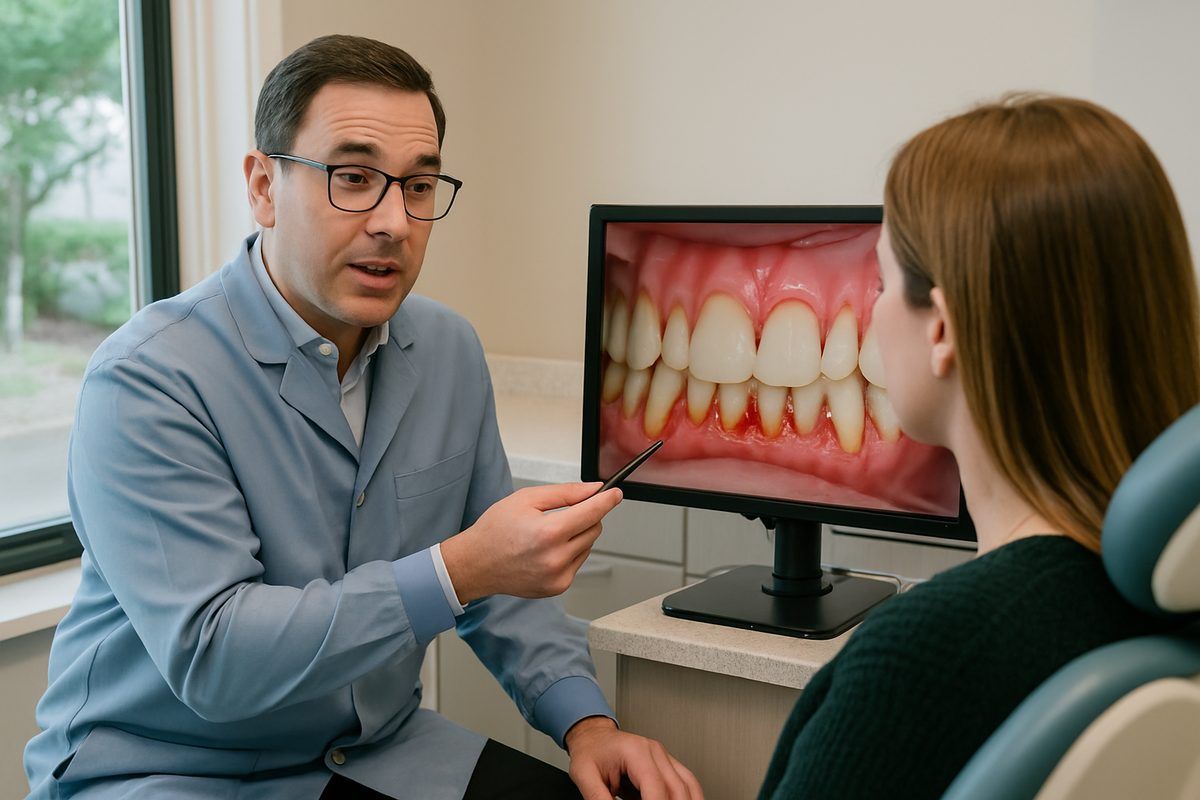
If you’re worried about bleeding gums, bad breath, or loose teeth, early care can stop small problems from becoming serious. This post explains periodontal disease in Greenwich, CT, why early diagnosis matters, and practical next steps. Read on to learn causes, signs, how specialists diagnose it, treatment options, and simple prevention tips you can use today.


What is periodontal disease?

Periodontal disease starts as inflammation of the gums (gingivitis) and can progress to periodontitis when the infection reaches deeper tissues. In periodontitis, the bacteria and immune response destroy the fibers and bone that hold teeth in place. Left untreated, periodontal disease can cause bone loss, loose or lost teeth, and contributes to systemic inflammation that affects overall health.


Common signs and symptoms of periodontal disease in Greenwich, CT

Watch for early and chronic signs. If you notice any of the following, schedule an evaluation for periodontal disease in Greenwich, CT:

  • Bleeding or tender gums when brushing or flossing
  • Persistent bad breath or a bad taste
  • Receding gums or teeth that appear longer
  • Loose or shifting teeth
  • Deep pockets around teeth and sensitivity

If you have heavy bleeding, severe pain, swelling, or rapidly moving teeth, seek immediate dental care.


Major causes and risk factors

Plaque, tartar, and bacterial infection

A sticky film of bacteria (plaque) builds up on teeth. If not removed, it hardens into tartar and pushes bacteria under the gumline, causing inflammation that destroys tissue and bone over time.

Health and lifestyle factors

Smoking, uncontrolled diabetes, certain medications, chronic stress, poor nutrition, and family history raise the risk for periodontal disease. These factors can weaken healing and increase infection risk.

Oral-systemic connections

Research links gum disease to heart disease, diabetes control problems, adverse pregnancy outcomes, and sleep or breathing issues. Treating gum inflammation helps overall health, not just your mouth.


How periodontal disease in Greenwich, CT is diagnosed

Clinical exam and periodontal charting

A periodontist performs a full gum exam, measures pocket depths with a probe, records attachment loss, and checks for bleeding on probing and mobility. This charting maps disease severity and guides treatment.

Imaging and advanced testing

Digital X-rays and CBCT scans show bone levels, root anatomy, and airway structures. Many practices use ROSA™ screening to combine radiographic, oral, salivary, and airway data for a fuller oral-systemic risk picture.

Microbiome and salivary testing

OralDNA® and other salivary tests identify specific bacterial pathogens and inflammation markers. These tests help tailor antibiotics and targeted therapies for better outcomes.


Treatment options for periodontal disease in Greenwich, CT

Non-surgical care

Initial treatment often includes scaling and root planing (deep cleaning), better home care, localized antibiotics, and regular maintenance visits to control bacterial buildup and inflammation.

Minimally invasive laser therapy (LANAP) and biologic approaches

Laser-assisted therapy like LANAP can remove infected tissue while preserving healthy gum, speed recovery, and encourage reattachment of tissue with less discomfort and fewer antibiotics.

Surgical and regenerative treatments

When pockets are deep or bone is lost, procedures such as bone grafts, guided tissue regeneration, and platelet-rich fibrin (PRF) can rebuild support around teeth and improve long-term prognosis.

Tooth replacement and implant options

If a tooth must be removed, implant-supported replacement is often the best long-term option. Zirconia implants are available for patients with metal sensitivities or who prefer metal-free solutions.

Integrative supportive therapies

Adjunctive therapies like oxygenation/ozone treatment, biocompatibility testing, and coordination with medical providers can reduce infection and support whole-body healing when needed.


Prevention: everyday steps to lower your risk

  • Brush twice daily with a fluoride toothpaste and use interdental brushes or floss every day
  • Keep regular professional cleanings and periodontal maintenance visits
  • Quit smoking and manage blood sugar if you have diabetes
  • Eat a balanced diet, stay hydrated, and address sleep or airway issues
  • Ask your dentist about salivary testing if you have recurring problems


When to see a periodontist for periodontal disease in Greenwich, CT

See a periodontist if you have deep pockets, ongoing bleeding, loose teeth, or poor healing after treatment. A specialist manages advanced disease, offers regeneration and implant options, and coordinates care with your dentist and medical providers for systemic concerns.


About biologic periodontal care available in Greenwich, CT

Tetrahealth offers a biologic approach to periodontal care at its Greenwich, CT location. Drs. Alex and Michele Volchonok lead the practice and provide evidence-based, minimally invasive care using advanced diagnostics and therapies. Key offerings include LANAP laser treatment, CBCT imaging, OralDNA® testing, PRF regenerative therapy, and zirconia implant options—focused on safe, integrative treatment and whole-body wellness.


Next steps: finding care for periodontal disease in Greenwich, CT

To schedule an evaluation, call a local periodontist or request an appointment online. Prepare for your first visit by bringing your medical history, a current list of medications, and any recent X-rays or tests. Ask about diagnostic tools they use (CBCT, OralDNA®, ROSA™) and what a personalized treatment plan would include.


If you notice signs of gum disease, don’t wait. Prompt evaluation and treatment for periodontal disease in Greenwich, CT protect your teeth and support your overall health. Prioritize your gum health as part of whole-body wellness and seek care early to preserve your smile and vitality.
Share

By seoauthor seoauthor August 28, 2026
Bleeding gums are a common yet concerning dental issue that many individuals experience at some point in their lives. Understanding how to stop bleeding gums effectively is crucial for maintaining overall oral health. Bleeding gums may seem like a minor inconvenience, but they can signal an underlying problem that requires attention to prevent more severe health issues. Understanding Bleeding Gums One of the first steps in addressing the issue is understanding its causes. Bleeding gums can be a result of several factors, including poor oral hygiene, gingivitis, and more serious conditions like periodontitis. These conditions often result from plaque buildup along the gumline, causing inflammation and irritation. Additionally, certain lifestyle factors such as smoking or a diet lacking in essential nutrients can exacerbate the problem. Importance of Oral Health The connection between oral and systemic health cannot be overstated. Healthy gums are not only vital for a confident smile but also for your overall health. Studies have shown a link between gum disease and systemic conditions such as heart disease and diabetes . Recognizing the signs of unhealthy gums, such as swelling, redness, and persistent bleeding, is essential for early intervention. Prevention Strategies Prevention is always better than cure. Establishing a consistent oral care routine is the first line of defense against bleeding gums. This includes proper brushing techniques, regular flossing, and using antiseptic mouthwash. Lifestyle changes, such as a balanced diet rich in vitamins C and D, can also support gum health. Reducing stress and quitting smoking are additional ways to prevent bleeding gums. Professional Treatments If bleeding persists, professional treatments may be necessary. Procedures such as scaling and root planing can help remove hardened plaque from below the gumline. Advanced laser therapy offers a less invasive option with quicker recovery times. Consulting with a periodontist can provide a personalized treatment plan tailored to your specific needs. Biocompatible Care and Its Benefits Biocompatible care focuses on using materials and treatments that are harmonious with your body’s natural systems. This approach contrasts with conventional dentistry by minimizing exposure to potentially harmful substances, making it an attractive option for many seeking holistic dental care solutions . When to Seek Professional Help Recognizing when to seek help is crucial. Early warning signs of gum disease include persistent bleeding and gum recession. Addressing these signs promptly can prevent more serious conditions from developing. Understanding treatment timelines can help manage expectations and outcomes. Patient FAQs Why do my gums bleed when I brush my teeth? Bleeding gums during brushing are often due to gingivitis or plaque buildup. Improving your brushing technique and consistency can help resolve this issue. Are bleeding gums a sign of a serious condition? While bleeding gums can be a result of mild inflammation, they may also indicate more serious periodontal disease, necessitating professional evaluation. How long does it take to stop bleeding gums? With consistent care, minor gum bleeding may resolve in a few days to weeks. Persistent bleeding warrants a professional assessment. Can certain foods help prevent bleeding gums? Yes, foods rich in vitamin C and D, such as citrus fruits and dairy, can strengthen gums and reduce bleeding. When should I visit a periodontist? If you experience persistent bleeding, swelling, or gum recession, scheduling a visit with a periodontist is advisable for a thorough evaluation. Scheduling an Appointment At Volchonok, Alexander, we specialize in providing comprehensive care that emphasizes wellness and uses the most advanced technology. If you are experiencing bleeding gums, our expert team is here to help. Schedule a consultation today to explore personalized treatment options that prioritize your comfort and health.
By seoauthor seoauthor August 28, 2026
Maintaining good oral health extends far beyond having a bright smile or functional teeth. When it comes to protecting your gums, recognizing the point at which you need a gum specialist, or periodontist, is crucial. At Volchonok, Alexander in Manhattan, NY, and Greenwich, CT, we emphasize the oral-systemic health connection and provide comprehensive periodontal care focused on promoting wellness. What is a Gum Specialist? A gum specialist, also known as a periodontist, is a dentist who undergoes additional training in diagnosing, preventing, and treating periodontal (gum) disease. They are also experts in the placement of dental implants and can carry out complex procedures like bone grafting. Their advanced education and specialized training make them uniquely equipped to address gum-related issues with precision and care. Why Gum Health Matters Your gum health is fundamentally connected to your overall health. Research indicates that periodontal disease is linked to systemic conditions such as cardiovascular disease and diabetes. Common gum issues such as gingivitis, periodontitis, and gum recession are not merely localized problems but may signify broader health concerns. Key Signs and Symptoms Bleeding Gums One of the most common indicators of gum disease is bleeding gums, especially during brushing or flossing. If untreated, this minor ailment can progress into a more serious situation. Persistent Bad Breath Chronic bad breath, despite good oral hygiene, can be a sign of underlying gum issues. Halitosis often arises from bacteria trapped in periodontal pockets. Receding Gums Gum recession is a condition where the gum tissue surrounding the teeth wears away, exposing more of the tooth or its root. This can create gaps where bacteria can accumulate, leading to severe periodontal problems. Loose Teeth If teeth start feeling loose or drifting apart, it could indicate weakening support structures associated with periodontal disease. This is a warning necessitating immediate specialist consultation. Advanced Treatment Options Deep Cleaning This involves scaling and root planing, a detailed cleaning process that removes plaque and tartar from below the gum line. Gum Grafting This procedure is used to cover exposed roots and prevent further recession, often resulting in aesthetically pleasing and healthy gum tissue. Laser Therapy An innovative, minimally invasive option that eradicates diseased tissue while promoting healing and reducing the need for invasive surgical procedures. Individualized Care at Volchonok, Alexander What sets Volchonok, Alexander apart is our tailored approach to patient care. We understand every patient is unique and provide individualized treatment plans designed with their specific needs in mind. We use the latest dental technology to ensure effective, comfortable, and quick recovery. When to Schedule a Consultation If you notice any of the symptoms discussed or have a history of gum disease, it is wise to schedule regular periodontal evaluations. During a consultation, you can expect a thorough examination, including assessing your teeth, gums, and jaw to identify any potential issues early. FAQs What are the main causes of gum disease? Poor oral hygiene, genetic factors, and smoking are significant contributors. Is gum disease reversible? Gingivitis, the early stage of gum disease, is reversible with proper care and treatment. Advanced stages require professional intervention. How can I prevent gum disease? Regular brushing, flossing, biannual dental check-ups, and maintaining a healthy lifestyle are essential prevention methods. What should I expect during gum treatment? Treatment plans vary, but a typical session involves professional cleaning, education on oral hygiene, and addressing any specific issues found during your consultation. Conclusion and CTA Recognizing when you need a gum specialist can make a significant difference in your oral health and overall wellbeing. If you're experiencing any signs or symptoms of gum disease, don't wait. Schedule a consultation with Volchonok, Alexander today and take the first step toward achieving optimal oral health.
By seoauthor seoauthor August 28, 2026
The body content of your post goes here. To edit this text, click on it and delete this default text and start typing your own or paste your own from a different source.
