









The Hidden Foundation of Long-Term Oral Health
Why Preservation Is the Highest Form of Dentistry
The Hidden Foundation of Long-Term Oral Health
Why Preservation Is the Highest Form of Dentistry
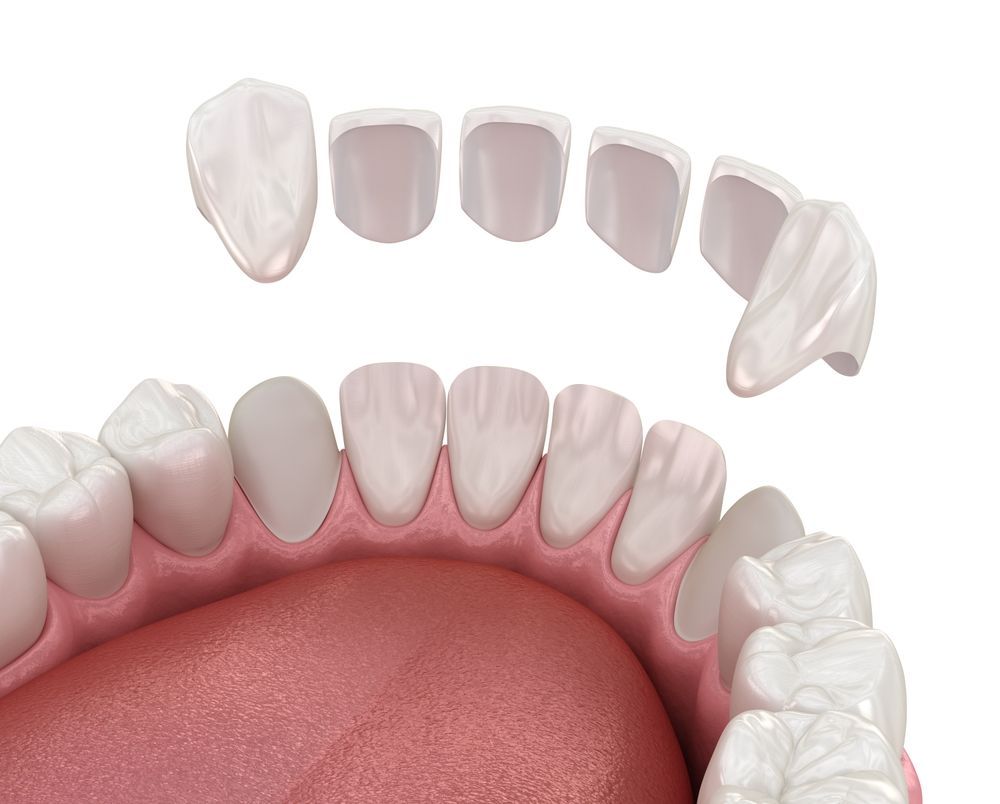
Restoring Structure Through Biologic Precision

Most dental treatment begins by focusing on individual teeth. A cracked molar is restored. A missing tooth is replaced. A worn filling is repaired. While these treatments are often necessary, they do not always address the larger oral system that allowed those problems to develop in the first place. Over time, years of tooth wear, missing teeth, bite imbalance, failed restorations, inflammation, and changes in the supporting tissues can gradually alter how the mouth functions. The jaw adapts. Muscles compensate. Chewing forces become unevenly distributed. What began as isolated dental concerns can eventually develop into widespread structural and functional compromise. At TetraHealth Dentistry , this is where biologic full mouth reconstruction begins. Rather than treating every tooth independently, our approach to full mouth rehabilitation considers the teeth, gums, bone, bite, jaw, muscles, airway, and restorative materials as parts of one connected system. Every treatment decision is guided by TetraHealth's Four Pillars: Restoring structure Supporting biology Optimizing function Creating natural aesthetics The objective is not simply to rebuild teeth. It is to rebuild balance. What Is Full Mouth Reconstruction? Full mouth reconstruction, sometimes called full mouth rehabilitation or full mouth restoration , is a comprehensive approach to rebuilding the health, function, and appearance of the mouth when multiple areas have become damaged or unstable. Depending on the patient's condition, treatment may involve a combination of restorative dentistry, periodontal therapy, bite correction, dental implants, crowns, prosthodontic treatment, or other therapies. At TetraHealth Dentistry, however, comprehensive treatment begins with a broader question: Why did the oral system become unstable in the first place? Understanding the answer allows treatment to address both visible damage and the underlying structural, biologic, or functional factors contributing to it. When the Oral System Begins to Compensate The body is remarkably adaptable. When one area of the mouth becomes compromised, another area often adjusts to maintain function. This adaptability allows many people to continue chewing, speaking, and smiling long after significant changes have developed. But adaptation is not the same as health. As teeth become worn, the bite may gradually collapse. Missing teeth can allow neighboring teeth to shift. Older restorations may alter how opposing teeth contact one another. Muscles can begin working harder to stabilize the jaw, while the jaw joints experience forces that were not evenly distributed before. Patients may live with these changes for years without realizing how much their oral system has compensated. Possible signs can include: Teeth that repeatedly chip or fracture Crowns or restorations that continue to fail Increasing tooth wear Jaw tension or fatigue Difficulty chewing comfortably Changes in the bite Morning headaches Missing or deteriorating teeth These concerns may appear unrelated, but in some patients they are different expressions of a larger structural or functional imbalance. Looking Beyond Individual Teeth Traditional restorative dentistry often addresses dental problems as they appear. One crown replaces another. A fractured tooth is repaired. A bridge fills a missing space. These treatments can be entirely appropriate, but when multiple dental problems are occurring throughout the mouth, treating each tooth independently may not fully restore stability. TetraHealth Dentistry takes a more comprehensive approach through holistic and biologic dental care . Before a full mouth reconstruction is planned, the team evaluates how the entire oral environment functions together, including: The relationship between the upper and lower teeth Jaw position and movement Supporting bone Gum and periodontal health Existing restorations Patterns of tooth wear Muscle activity Airway considerations Missing teeth Areas of chronic inflammation or infection Understanding these relationships allows the treatment plan to address the broader system rather than simply repairing the consequences of instability. This represents the first pillar: restoring structure . Building Full Mouth Rehabilitation on a Healthy Foundation Successful full mouth rehabilitation depends on more than replacing damaged teeth. Healthy gums, healthy bone, and stable supporting tissues form the biologic foundation upon which restorations depend. Inflammation, periodontal disease, infection, or inadequate bone support therefore need to be evaluated as part of comprehensive treatment planning. TetraHealth's approach to biologic dentistry emphasizes preservation whenever clinically appropriate. Healthy natural tooth structure is preserved when possible. Supporting tissues are respected. Treatment recommendations are based on what will create a stable foundation for the patient's long-term oral health. The goal is not unnecessary replacement. It is thoughtful preservation combined with precise reconstruction. This represents the second pillar: supporting biology . Restoring the Vertical Dimension of the Bite One significant change that can develop after years of tooth wear is a loss of vertical dimension . As enamel and restorative materials wear down, teeth can become shorter. The relationship between the upper and lower jaws may gradually change, and facial support can change with it. Because these changes often happen over many years, patients may barely notice them. The body simply adapts. When appropriate, restoring vertical dimension during full mouth reconstruction can help reestablish more natural proportions and improve the way the teeth and jaws interact. Potential benefits may include: More efficient chewing Better distribution of biting forces Reduced strain on overloaded teeth Improved facial support More natural tooth proportions A more balanced bite The objective is not simply to make teeth appear larger. It is to rebuild the relationships necessary for comfortable, efficient function. Every Tooth Functions as Part of a System A healthy bite behaves like a coordinated system. Each tooth contributes to managing chewing forces. Ideally, no individual tooth or restoration should repeatedly carry more stress than it can tolerate. When one portion of the mouth becomes overloaded, the rest of the system can begin compensating. Over time, these altered forces may contribute to excessive wear, fractured teeth, loose restorations, or recurrent dental problems. During a comprehensive reconstruction, every restoration is therefore planned within the context of the entire bite. That means considering: Contact between opposing teeth Tooth contours Chewing surfaces Jaw movement Bite forces Existing natural teeth Dental implants or prosthetic teeth Muscle function Nothing exists independently. Each restoration contributes to the overall balance of the mouth. This represents the third pillar: optimizing function . Patients interested in how TetraHealth approaches bite, jaw, and airway relationships can learn more about functional health dentistry . Precision Through Comprehensive Treatment Planning Rebuilding an entire oral system requires careful planning before treatment begins. Advanced digital imaging and diagnostic records can provide detailed information about bone anatomy, tooth position, bite relationships, jaw structure, and existing dental conditions. These records allow the restorative team to evaluate the treatment sequence before the final restorations are created. Rather than simply responding to problems during treatment, comprehensive planning creates a roadmap for rebuilding the mouth in a deliberate order. Every restoration has a purpose. Every adjustment contributes to the larger system. Predictability begins with preparation. Choosing Biocompatible Restorative Materials The materials selected during full mouth reconstruction influence more than appearance. Restorations interact constantly with opposing teeth, surrounding gums, saliva, bite forces, and the rest of the oral environment. For that reason, TetraHealth evaluates restorative materials not only for durability and aesthetics but also for their compatibility with the overall treatment philosophy. The goal is not artificial perfection. It is to create restorations that look, feel, and function naturally within the patient's mouth. For patients who require tooth replacement, TetraHealth also offers zirconia dental implants and other biologically focused implant solutions . Patients requiring more extensive tooth replacement may also benefit from learning about TetraHealth's biologic approach to All-on-X and full-arch dental implants . The Relationship Between Function and Appearance Many patients initially consider full mouth reconstruction because they are unhappy with the appearance of their teeth. Years of wear, fractures, discoloration, missing teeth, and uneven edges can dramatically change a smile. Yet aesthetics and function are not completely separate. Proper tooth length contributes to facial proportions. Balanced contours create visual harmony. Appropriate bite relationships allow restorations to function without unnecessary strain. Rather than designing a smile solely around cosmetic ideals, biologic full mouth rehabilitation aims to create an appearance that grows naturally from healthy structure and balanced function. This represents the fourth pillar: natural aesthetics . Beauty follows biology. Full Mouth Reconstruction vs. Repeated Dental Repairs Full mouth reconstruction is fundamentally different from repeatedly repairing individual dental problems. If the underlying bite or oral system remains unstable, new restorations may continue experiencing the same abnormal forces that affected previous dental work. That can create a frustrating cycle: A restoration fails. It is replaced. Another tooth fractures. Another restoration is needed. Comprehensive rehabilitation attempts to interrupt this pattern by looking at the relationships between the teeth, jaw, muscles, bone, gums, and restorative materials. By rebuilding those relationships and distributing functional forces more appropriately, the goal is to create an oral environment that is more stable over time. Full Mouth Rehabilitation as Whole-System Dentistry Full mouth rehabilitation represents more than advanced restorative dentistry. It reflects a different philosophy of care. Rather than asking only which teeth need crowns, implants, bridges, or repairs, TetraHealth Dentistry considers how the entire oral system can function more effectively. That may include evaluating relationships between: Teeth Jaw position Muscles Airway Bone Periodontal tissues Existing restorations Dental implants Oral-systemic health Every phase of treatment builds upon the Four Pillars. Structure provides stability. Biology creates the foundation for health and healing. Function allows the system to operate efficiently. Aesthetics emerge naturally from balance. None of these components exists independently. Who May Need Full Mouth Reconstruction? There is no single type of patient who requires full mouth rehabilitation. A comprehensive evaluation may be appropriate for people experiencing several significant dental problems at the same time, such as: Extensive tooth wear Multiple missing teeth Repeatedly failing crowns or dental restorations Severe bite changes Advanced periodontal damage Multiple fractured or weakened teeth Significant loss of tooth structure A combination of restorative, periodontal, and implant needs Some patients can preserve much of their natural dentition through restorative and regenerative treatment. Others with severely compromised teeth may eventually require dental implants or full-arch treatment. The appropriate approach can only be determined after evaluating the entire mouth. What Can Patients Expect After Comprehensive Reconstruction? Patients often begin the process expecting a new smile. The potential goal is much broader. Successful treatment is intended to create a mouth in which the teeth, restorations, supporting tissues, and bite work together more harmoniously. Patients may notice improvements in areas such as chewing comfort, bite stability, tooth appearance, and the overall feeling of their restorations. Rather than feeling like a collection of individual dental procedures, the final result is designed to function as one integrated oral system. That is the objective of biologic full mouth rehabilitation. It is not simply replacing damaged teeth. It is rebuilding a functional, stable, and biologically considered oral environment designed to support long-term health. Explore Full Mouth Reconstruction at TetraHealth Dentistry At TetraHealth Dentistry, every full mouth reconstruction begins with a comprehensive understanding of the patient rather than a predetermined procedure. Our multidisciplinary approach brings together biologic, periodontal, restorative, implant, prosthodontic, functional, and aesthetic considerations to determine how the entire mouth can be rebuilt as one connected system. When structure, biology, function, and aesthetics are addressed together, treatment can extend far beyond improving the appearance of individual teeth. It can create a stronger and more balanced foundation for the entire smile. Learn more about TetraHealth Dentistry's approach to biologic and holistic dental care.
The Hidden Foundation of Long-Term Oral Health
Why Preservation Is the Highest Form of Dentistry
The Hidden Foundation of Long-Term Oral Health
Why Preservation Is the Highest Form of Dentistry
